Olite
The castle the kings of Navarre built so they would never want to live anywhere else
You leave Ttipiaenea after breakfast. The dual carriageway drops south and the landscape soon begins to change: the damp meadows of the Pamplona basin give way to fields of cereal, rows of vines and that wide, clear sky the Navarrese Ribera has when the day is kind.
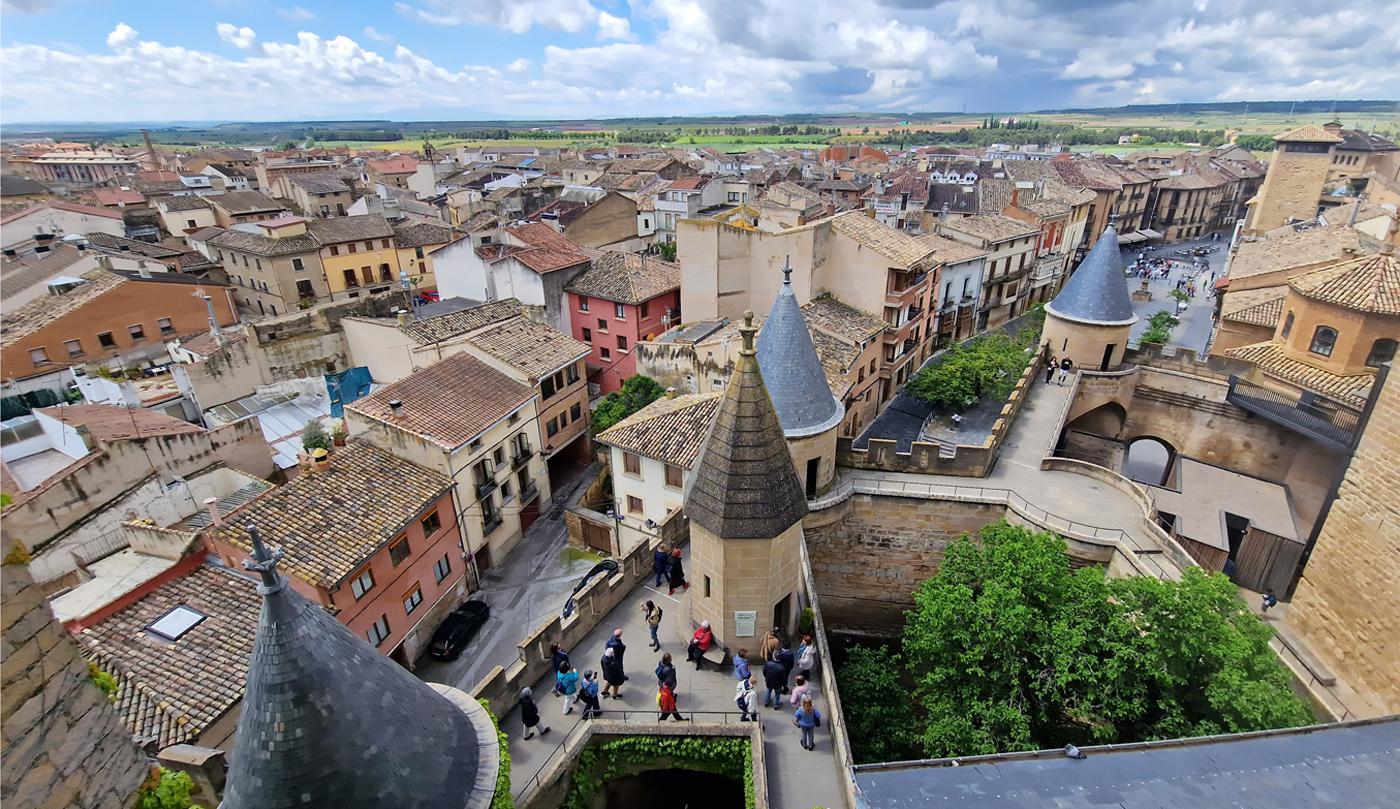
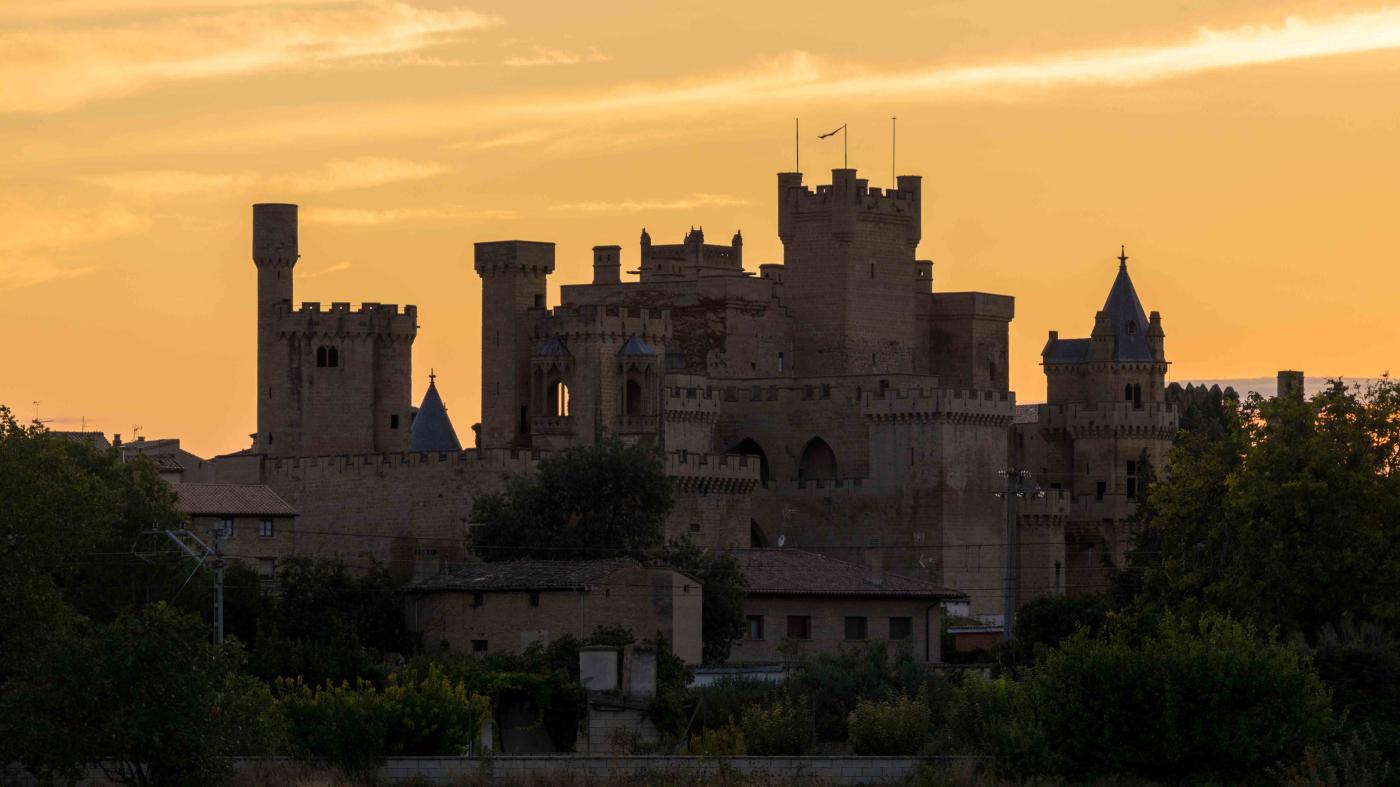
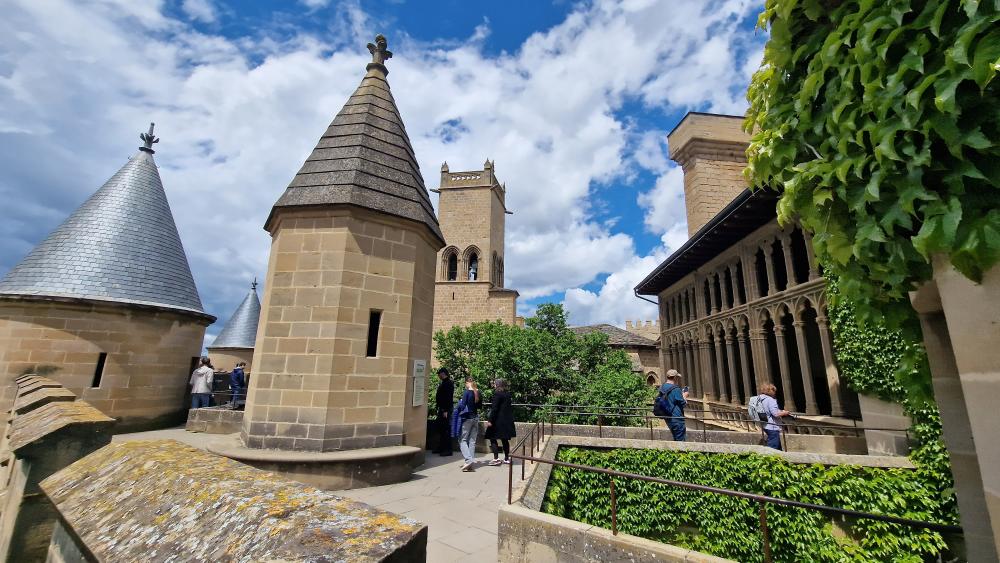
Forty minutes after setting off, Olite appears on the horizon and the first thing you see is not the town: it's the towers. Four, six, ten medieval towers rising above the rooftops as if someone had built the whole town just to give the castle an audience.
Ten towers. A king who knew how to live well.
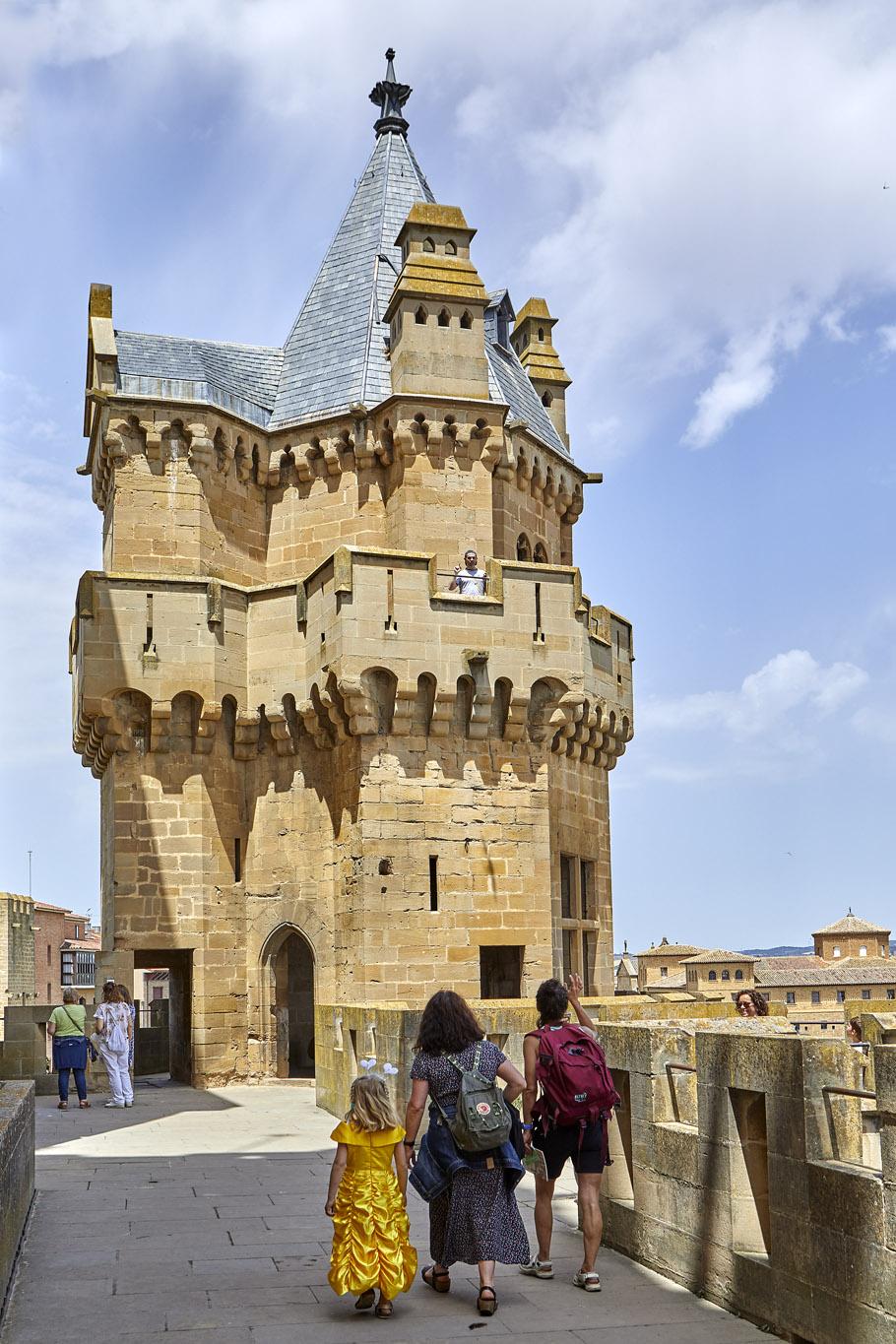
Charles III of Navarre —the Noble, they called him, and he must have done something to earn the nickname— decided at the start of the 15th century that Olite would be his definitive residence and that the palace had to match that decision. What he built is one of the most extraordinary Gothic palace complexes in Europe: ten towers of differing heights, hanging gardens, galleries, chapels and even a collection of exotic animals that included lions, camels and a giraffe.
The giraffe is gone, but the towers remain. You can climb to the top and see from the battlements how the vineyards of the Ribera stretch as far as the eye can reach. Children run up the stone staircases. Couples pause at every Gothic window. Those travelling alone take out their notebook and sit a while without writing anything, just looking.
The guided tour lasts an hour. The free visit, as long as you like. Some people go in at ten in the morning and come out when their feet tell them it's enough.
Medieval streets and wineries at the foot of the castle
Olite is not just the castle. It is also the town that grew around it over the centuries: cobbled streets, stone arches, the Gothic church of Santa María la Real with its sculpted portal, and a main square where at midday the smell of Navarrese cooking drifts from three bars at once.
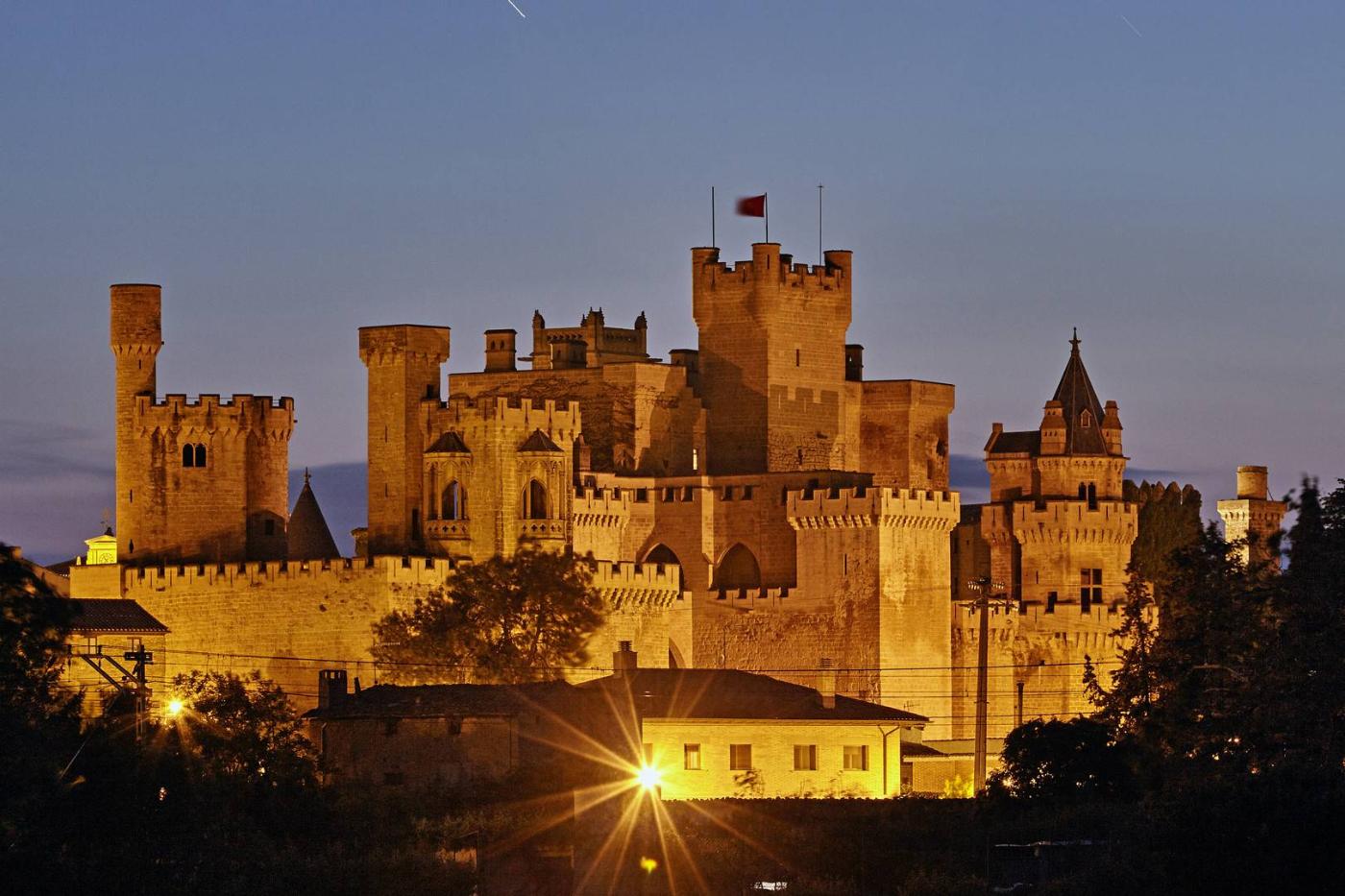
Olite lies at the heart of the Navarra Denomination of Origin. Vineyards surround the town and some wineries open their doors for visits and tastings. If you travel in August, the Medieval Festival turns the streets into a stage: minstrels, tournaments, a medieval market and the castle lit up at night as a backdrop. One of those events worth planning the trip around.
Rest at Ttipiaenea Landetxea
The castle falls behind. The dual carriageway climbs slowly north and the landscape changes once more: the dry, bright Ribera gives way to the greens of the Pamplona basin, and in forty minutes you are in Ariz.
Ttipiaenea waits with the house open. The kitchen, the fireplace if the day calls for it, the garden if not. After a day among medieval towers and vineyards, the Ttipiaenea armchair is very easily earned. Some days need no better ending than that.
How to get there from Ttipiaenea
- Distance62 km · 40 min on the A-15 towards Zaragoza
- Royal PalaceEntry: ~€6 adults · ~€3 children · Self-guided or guided tour
- Hours10:00–20:00 in high season · Check in winter
- Medieval FestivalLast week of August · Highly recommended
- With childrenYes, ideal · The towers and the royal zoo story hook them from age 5
- ParkingFree around the old town